your baby: birth to 12 months
From the moment that little bundle of joy was placed in your arms, up to the time when he started to walk, you were mostly concerned with properly feeding him, keeping him safe, and getting him to sleep through the night (which he did, eventually, and then you were finally able catch the deserved z’s).
The psychosocial stage that your baby initially goes through, his first milestone, is Trust vs. Mistrust. Trust is developed when his caregivers provide reliability and affection. A lack of this leads to Mistrust. This makes the difference between a well-adjusted individual who trusts that normal things will happen normally (proportional amounts of good and bad), and one who is paranoid about others, with huge abandonment issues.
- During the first year, your child learned to eat solid foods, crawl, walk (sometimes surprising you by running, often away from you in crowded places!), and started to say his first few words.
- That’s all I will say about this stage, since it falls a little outside the scope of this blog.
Once he turns one, your child has a lot more growing up to do, and most of it has nothing to do with you. Behold the terrible twos, the thrilling threes, and finally, the dreaded tweens! Stage ages are approximate, a rough guideline if you will, because each child’s development pace is unique.
your child: early childhood (1 to 3 years)
The perfect phrase to illustrate this stage is the sentence “Jackie Do”:
- She starts to talk in two-word sentences
- She refers to herself in the third person
- She wants to do everything by herself.
This is my favorite age range. If you look closely and take lots of notes, in retrospect you can see the full-blown personality of the kid/teen/adult that she will one day become. But until then, you have your work cut out for you!
In this stage, language will develop rapidly. And by language, I mean mostly vocabulary because your child makes (what are arguably the cutest) grammatical and syntax errors aplenty. But not to fret, the baby talk will gradually turn into full sentences, at which point you will be begging her to shut up and give you some peace. This is also the stage of toilet training, the biggest and simultaneously taboo-est topic with parents of toddlers.
The psychosocial milestone for this stage is called Autonomy vs. Shame and Doubt. Your child needs to develop a sense of personal control over her physical skills. Success in achieving this leads to autonomy, self-sustenance, and healthy independence. Failure results in feelings of inadequacy and low self-esteem in later years. (Ever heard of the term “anal-retentive” or just “anal”? This is where it comes from).
Your main job here is to gradually give her the reins and slowly decrease your full-time job of micromanaging her, so that she can get ready for the requirements of the next stage. And hopefully manage some of those tantrums so they are a win-win for the both of you.
your child: preschool years (4 to 6 years)
At the beginning of this stage, your child is probably already potty-trained. Hopefully he has already attained autonomy in some basic skills, like feeding herself, keeping himself entertained, and expressing himself (ah, the questions, so many questions). Now is the time to get his lessons in social training.
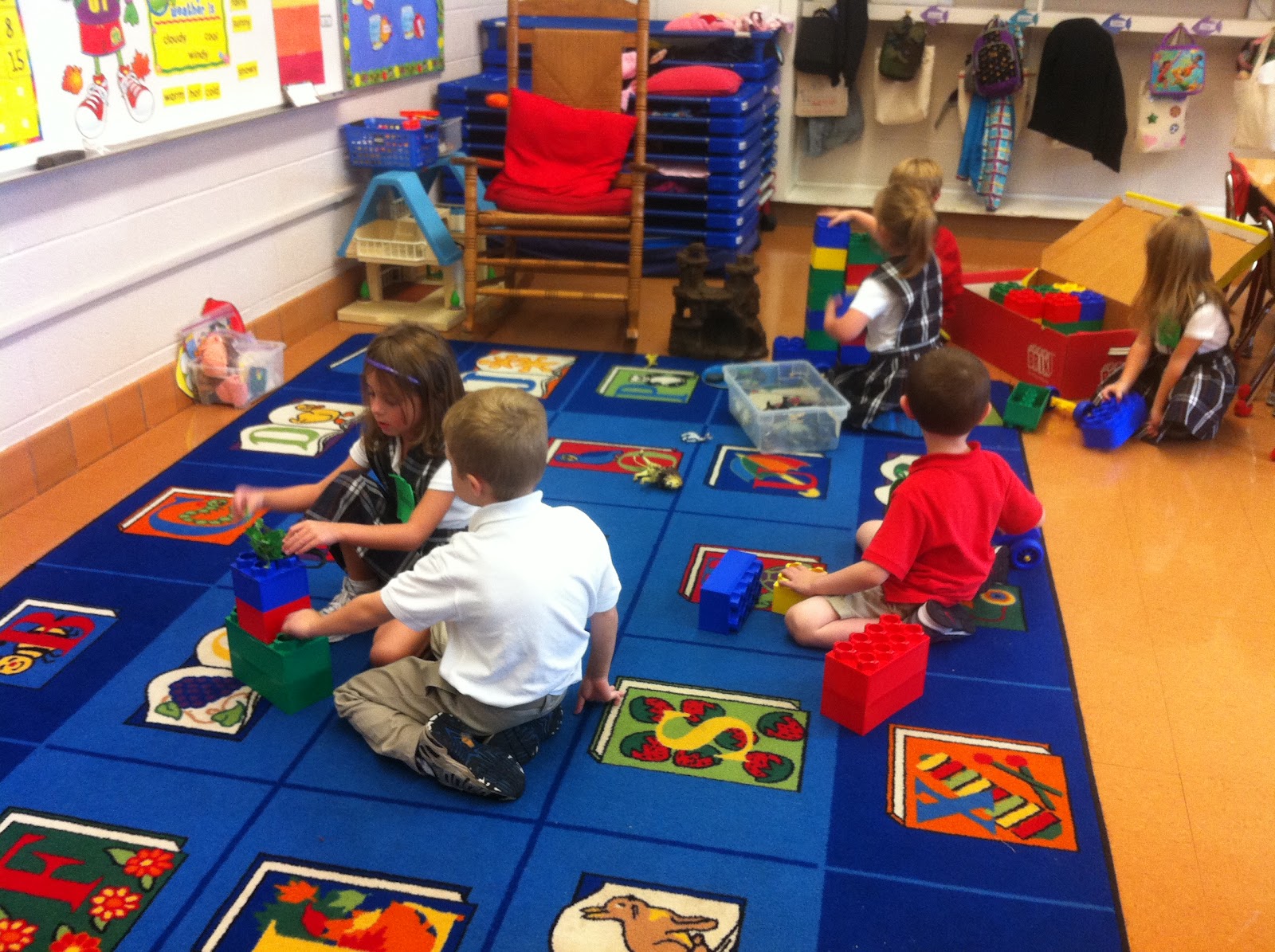
You may notice that your child is learning to play with others (simple social play) as opposed to playing alone even when doing so alongside others (parallel play). The bulk of this stage is his learning to navigate the uncharted territory of social requirements, things like following rules, sharing, taking the other’s perspective (theory of mind), and developing empathy for others, which are absolutely essential at school.
Initiative vs. Guilt is the psychosocial milestone for this stage. Your child needs to learn to assert control and power over his environment. Success in this stage leads to a sense of purpose. But if too much power is exerted that is met with disapproval, it can result in feelings of guilt. In essence, your child needs to know how much control to give and take so that he is in charge while being mindful of others (strong and caring as opposed to strong but ruthless, or plain old shy).
The terrible twos are a misnomer because it is usually at this age that your child exhibits his most aggressive behaviors, like throwing things, hitting, or yelling. Worse, he will mean it. The bulk of your job as a parent is to teach him that his behavior has consequences, good and bad (the word consequence is often misunderstood as automatically meaning punishment).
your child: early school years (7 to 11 years)
Starting from first grade through the infamous “tweens”, your child is a full-fledged, school-going, socially-interacting, opinion-giving member of the outside world, that dreaded world where you have very little control. By now, she is capable of performing increasingly complex tasks as well as analytical thinking (not just concrete thinking), and demonstrates a clear set of abilities, tastes, and preferences.
The challenges of this stage are many: from homework to extra curricular activities to friends and social events, your child has her hands (and calendar) full! The underlying psychological root of these challenges is your child’s mastery of these new skills and her self-concept with regards to her abilities.
The psychosocial milestone for this stage is Industry vs. Inferiority, where school and social interaction play a crucial role. When encouraged and praised, your child develops a belief in her abilities. If little or no encouragement is received, or your child struggles with finding something in which to excel, or peers with whom she belongs, feelings of self-doubt will ensue. In other words, success in this stage leads to a sense of competence and failure leads to feelings of inadequacy and inferiority.
Your biggest challenge as parent, at this stage of your child’s development, is knowing when to intervene and when to let go. You will often find yourself in ugly-land, with lots of door slammin’ of the “you ruined my life” variety. Your job is to stay consistent with the rules and values you’ve imparted, teach her how to meet her academic and social demands, and lend a guiding hand when you find her engaged in self-doubt.
What’s next?
Finding what she is good at and the right middle school years tribe (peers who reflect her own tastes and values) will lead your kid nicely into the next stage, Identity vs. Confusion, taking her through the remaining school years up to adulthood (12 to 18 years), where the main psychosocial task is to develop a sense of identity and direction in life (“who am I and what do I want to be when I grow up?”). Unfortunately, that’s a little outside of the scope of this blog, at this time.
Follow me as I write about tackling behavioral issues prevalent to these three developmental stages. Be sure to read tips and tools in the how to category, psychological principles and the why of things in the basics category, and answers to specific behaviors in the ask megan section. You can be notified of my newest posts by following me on Twitter, Google+, Facebook, and Pinterest. Or better yet, subscribe to the weekly e-digest or follow my blog via RSS feed. I look forward to your feedback and/or questions.
Thank you for reading, hope to see you again soon ![]()
~ Megan
The psychosocial stage that your baby initially goes through, his first milestone, is Trust vs. Mistrust. Trust is developed when his caregivers provide reliability and affection. A lack of this leads to Mistrust. This makes the difference between a well-adjusted individual who trusts that normal things will happen normally (proportional amounts of good and bad), and one who is paranoid about others, with huge abandonment issues.
The psychosocial milestone for this stage is called Autonomy vs. Shame and Doubt
Initiative vs. Guilt is the psychosocial milestone for this stage. Your child needs to learn to assert control and power over his environment. Success in this stage leads to a sense of purpose. But if too much power is exerted that is met with disapproval, it can result in feelings of guilt. In essence, your child needs to know how much control to give and take so that he is in charge while being mindful of others (strong and caring as opposed to strong but ruthless, or plain old shy).
The psychosocial milestone for this stage is Industry vs. Inferiority, where school and social interaction play a crucial role. When encouraged and praised, your child develops a belief in her abilities. If little or no encouragement is received, or your child struggles with finding something in which to excel, or peers with whom she belongs, feelings of self-doubt will ensue. In other words, success in this stage leads to a sense of competence and failure leads to feelings of inadequacy and inferiority.


